What Does Inpatient Rehabilitation Mean? A Practical Guide for Patients and Families
When someone you love is leaving the hospital after a serious illness, injury, or surgery, "inpatient rehabilitation" is one of those terms that gets thrown at you fast, and usually, you're expected to make decisions even faster. This guide explains what inpatient rehab involves, who it helps, and how to choose the right skilled nursing and rehabilitation facility, including what that looks like at AristaCare at Manchester in Manchester Township, NJ.
Key Takeaways
- Inpatient rehabilitation is a short-term stay in a skilled nursing facility (SNF) where patients receive 24-hour medical care and daily therapy after a major health event like a stroke, surgery, or serious illness.
- It's not a hospital stay (the focus is recovery and function, not acute treatment) and it's not outpatient therapy (you stay overnight at the facility rather than going home between sessions).
- Rehab can be delivered in a freestanding rehab hospital or in a Medicare- and Medicaid-certified skilled nursing facility like AristaCare at Manchester in Manchester Township, NJ.
- The goal is simple: rebuild enough strength and independence to return home safely, or transition to the right level of ongoing care.
- If you're comparing post-hospital rehab options in Ocean County, NJ, AristaCare at Manchester offers consultations and tours.
What Is Inpatient Rehabilitation?
Inpatient rehabilitation means temporarily living in a rehab-focused unit or skilled nursing facility to receive daily, coordinated therapy and round-the-clock medical monitoring after a serious health event. Patients are formally admitted, sleep on-site in a private or semi-private room, and follow a structured therapy schedule built around their recovery goals.
The difference from outpatient rehab comes down to where you sleep. With outpatient therapy, you live at home and visit for sessions a few times a week. With inpatient rehab, you stay on-site, so nurses and doctors can respond immediately if symptoms or complications come up, and therapy happens every day instead of a few times a week.
Common reasons for referral include stroke, hip fracture, joint replacement, heart failure, pneumonia with lingering weakness, or a serious fall. Picture an 82-year-old in Manchester Township who fractures a hip and has surgery. She's healing, but she can't yet walk safely or manage stairs. Rather than going straight home, she transfers to inpatient rehab for two to three weeks of daily physical and occupational therapy before returning home with confidence.
In New Jersey, inpatient rehab happens in dedicated rehabilitation hospitals and in skilled nursing facilities with strong post-acute programs. AristaCare at Manchester falls into the second category: a 165-bed Medicare- and Medicaid-certified facility offering physical, occupational, and speech therapy on-site.
Inpatient Rehabilitation vs. Skilled Nursing Facility Care
"Inpatient rehabilitation" describes a type of care, while "skilled nursing facility" (SNF) describes a place where that care is often delivered - especially for post hospital care after a prior hospital stay.
Similarities:
- Both provide 24/7 nursing support and help with daily living activities like bathing, dressing, and toileting
- Both offer on-site physical therapy, occupational therapy, and speech therapy, as seen in the extensive therapy programs at AristaCare at Manchester
- Both serve patients recovering from hospital stays
Key differences in intensity:
| Feature | Hospital-Based IRF | SNF Rehab (e.g., AristaCare) |
|---|---|---|
| Daily therapy hours | 3+ hours required | 1–2+ hours, adjusted to stamina |
| Physician visits | Minimum 3x/week | Regular but less frequent |
| Patient profile | Must tolerate intense therapy | Flexible for medically complex or frail patients |
That flexibility matters more than people realize. Many seniors, especially those recovering from surgery or a long hospital stay, simply cannot tolerate three hours of therapy a day. A SNF adjusts the pace to the patient, and a facility like AristaCare at Manchester offers a range of levels under one roof, from intensive sub-acute rehab to long-term care, so patients aren't forced to relocate if their needs change.
Medicare's official terms are "inpatient rehabilitation facilities (IRFs)" for hospital-based units and "skilled nursing facilities" for the rest, but as a family, what you actually need to compare is therapy intensity, clinical capabilities, and location.
When Is Inpatient Rehabilitation Recommended?
Inpatient rehab is recommended when going straight home would be unsafe or lead to poor recovery. Medicare covers inpatient rehabilitation for eligible medical conditions.
Common diagnoses requiring inpatient rehab:
- Stroke or traumatic brain injury
- Spinal cord injury or amputations
- Hip fractures and joint replacements
- Heart failure or heart attacks
- Complex infections or deconditioning after long ICU stays
Age raises the stakes. Seniors in their 70s, 80s, and 90s lose strength and balance quickly during a hospital stay, sometimes in a matter of days, which makes structured rehab even more important for getting back to baseline.
When deciding between rehab and home, doctors and case managers weigh whether the person can walk and transfer safely, their fall risk, how many medications they're managing, whether they need wound care, and whether there's family support at home. Not everyone needs inpatient rehab. Some patients do well going home with outpatient services. But for the right patient, it significantly lowers the risk of ending up back in the hospital.
If you're unsure, ask the hospital team directly: "Would inpatient rehab or a skilled nursing facility be safer than going home right now?" The admissions team at AristaCare at Manchester can also walk you through the options, including what Medicare covers.
What Happens During a Typical Day in Inpatient Rehab?
Days in inpatient rehab follow a structure built around therapy, rest, and medical care, all paced to the patient's endurance and goals. Care is overseen by a physician and delivered by a team that includes nurses, physical therapists, occupational therapists, speech-language pathologists, social workers, and dietitians, all working from one shared care plan.
A typical day looks something like this:
- Morning: Vital signs, medication administration, breakfast
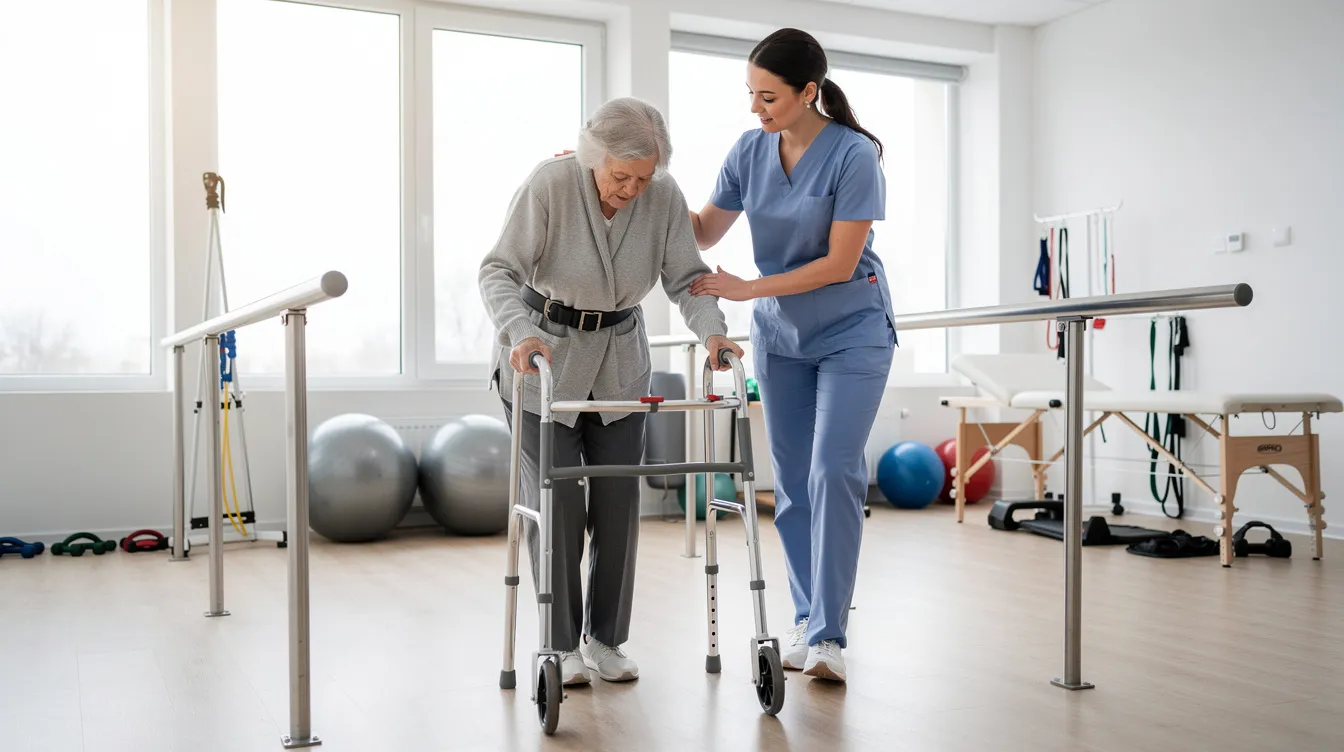
- Mid-morning: Physical therapy - walking practice, balance and mobility exercises, strength training
- Afternoon: Occupational therapy - practicing daily activities like dressing, bathing, cooking simple meals, and safe transfers
- Evening: Pain management, social time with friends and fellow residents, family visits
- If Needed: Speech therapy for communication or swallowing difficulties, followed by rest
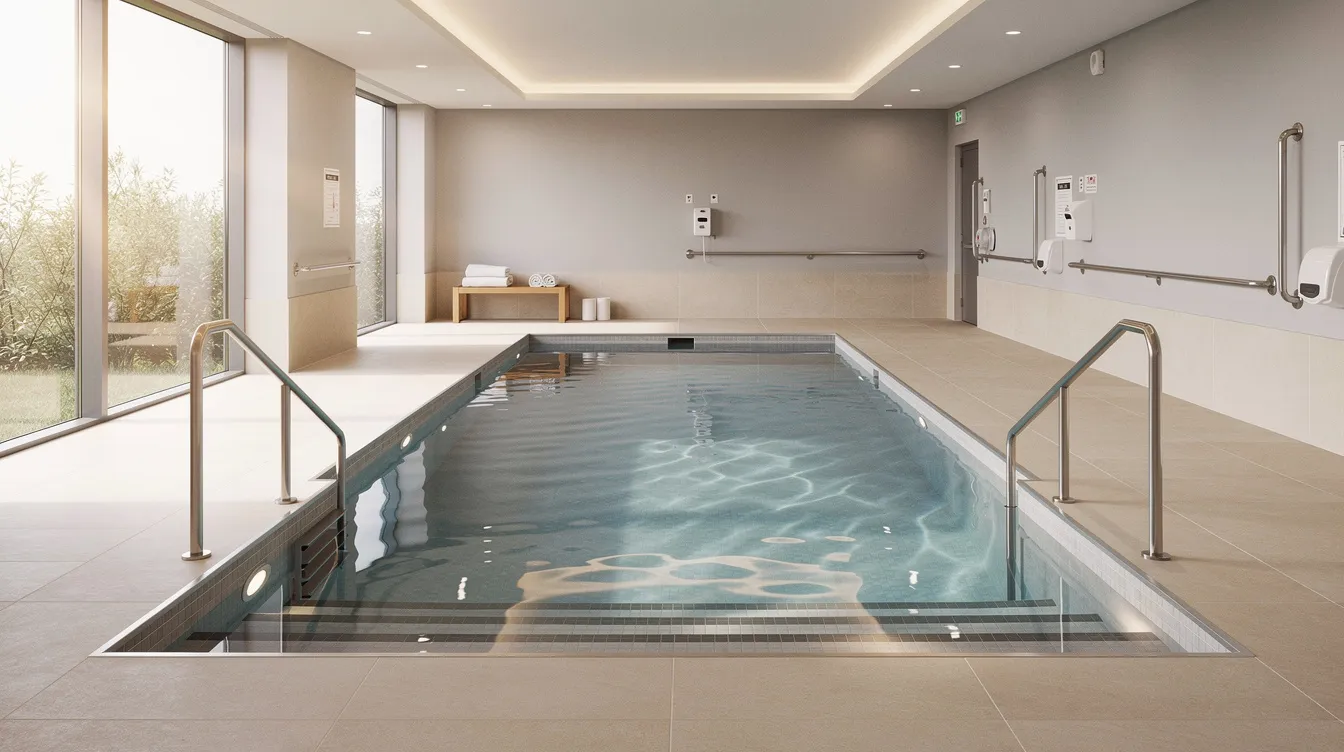
The pace differs by setting. Hospital-based IRFs require at least three hours of therapy daily, while SNF rehabs, like AristaCare at Manchester, adjusts sessions to what the patient can handle and sustain. At AristaCare at Manchester, patients work in a dedicated therapy gym and therapy pool, where water takes the weight off healing joints while muscles rebuild. Families are welcome to visit and see the environment firsthand.

Benefits of Inpatient Rehabilitation for You or Your Loved One
The whole point of inpatient rehab is a safe, confident return home. Along the way, the benefits stack up across several areas:
Physical benefits:
- Improved strength, balance, endurance, and mobility
- Safer walking and transfers with reduced fall risk
- Better pain control through professional oversight
Functional benefits: Inpatient rehabilitation can enhance patient independence through therapy for daily living activities - bathing, dressing, toileting, cooking, and managing medications. These are the skills discharge decisions hinge on.
Emotional and cognitive benefits:
- Structured schedules help with orientation, sleep, and healing
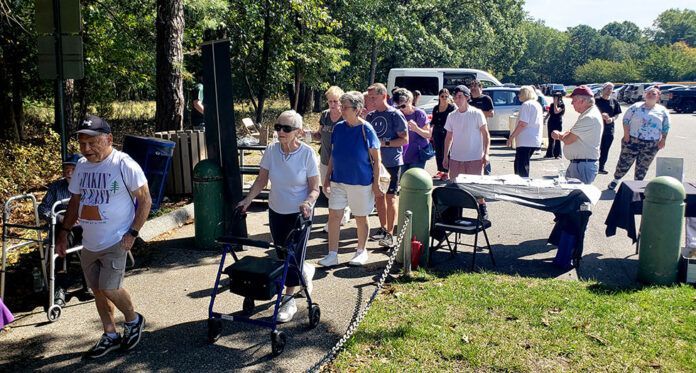
- Meals, activities, and therapy alongside peers mitigate the isolation that often follows a hospital stay
- Speech therapy supports memory, communication, and problem-solving skills
Safety benefits: With 24/7 nursing in addition to AristaCare at Manchester's remote patient monitoring, complications like infections or breathing difficulties get caught early, often before they become another hospital admission.
Caregiver benefits: This one gets overlooked. A rehab stay gives families time to prepare the home, arrange equipment, and learn hands-on skills like safe transfers before discharge day, instead of figuring it all out alone.
How Long Does Inpatient Rehab Last and What Happens After?
Length of stay varies. Many post-hospital rehab stays run one to four weeks: a joint replacement might need one to two weeks, while a complex stroke recovery could take a month or more. Duration depends on the diagnosis, the patient's age and strength before the illness, any medical complications, motivation, and how much support is waiting at home.
Here's something most families don't know until it happens: discharge notice from insurance plans often come just 48 hours in advance. That's why good facilities start discharge planning on day one, setting a target date and adjusting it as recovery progresses, so the end of the stay never catches anyone off guard.
Typical next steps after rehab include:
- Going home with outpatient therapy
- Going home with home health services
- Transitioning to longer-term skilled nursing or memory care
Medicare may cover up to 100 days of inpatient rehab in a skilled nursing facility. The admissions team can help you understand what your specific plan covers before admission, not after.
At AristaCare at Manchester, the team works with families on equipment needs like walkers and wheelchairs, medication planning, and scheduling follow-up therapy, so patients leave with a clear, written plan to move forward with confidence.
How to Choose the Right Inpatient Rehab or Skilled Nursing Facility
Searching "post hospital rehab near me" would yield a plethora of results that would be hard to digest for someone who isn't already familiar. Choosing a rehab facility means balancing clinical quality, services, location, and something harder to measure: how the place feels when you walk in.
Essential criteria:
- Medicare and Medicaid certification and 24/7 RN coverage
- On-site physicians, plus physical, occupational, and speech therapy under one roof
- Specialty programs relevant to your condition, such as cardiac rehab, pulmonary care, wound care, or memory care
During your tour, look for:
- Cleanliness, and therapy spaces that look actively used
- How staff interact with residents
- Whether residents are engaged in activities during business hours
Questions worth asking:
- What's the typical length of stay for this diagnosis?
- How often will a doctor see my loved one?
- Is therapy available on weekends? (This one separates strong programs from average ones.)
- How are families kept in the loop between visits?
Location naturally comes into play, since regular family visits help keep patients motivated through therapy. But don't let the map make the decision for you. The right clinical fit, the specialty program your loved one actually needs, the therapy team with experience in their diagnosis, is worth an extra fifteen minutes in the car. A shorter drive to the wrong facility costs far more in the long run. AristaCare at Manchester serves families throughout Manchester Township and greater Ocean County, and the fastest way to know if it's the right fit is to come see it: tours are open to families, no appointment needed.
AristaCare at Manchester's Inpatient Rehab and Specialty Programs
AristaCare at Manchester is a skilled nursing facility in Manchester Township, NJ specializing in post-hospital rehabilitation for older adults and medically complex patients. For residents who need care beyond a short rehab stay, the facility also offers long-term care and memory care, all under one roof.
Core services:
- Intensive physical, occupational, and speech therapy
- Sub-acute nursing care with private and semi-private rooms in a brand-new unit
- A transition-to-home process focused on safe discharge, home setup, and hands-on caregiver training
Specialty clinical programs:
- Advanced wound care
- Pulmonary care and respiratory support
- American Heart Association- Heart Failure Certified Cardiac Program with a dedicated cardiac nurse and telemetry monitoring
- Medical management for complex conditions like COPD and heart failure
For residents living with dementia, the Nostalgia Park memory care program provides an intellectually stimulating and emotionally supportive environment.
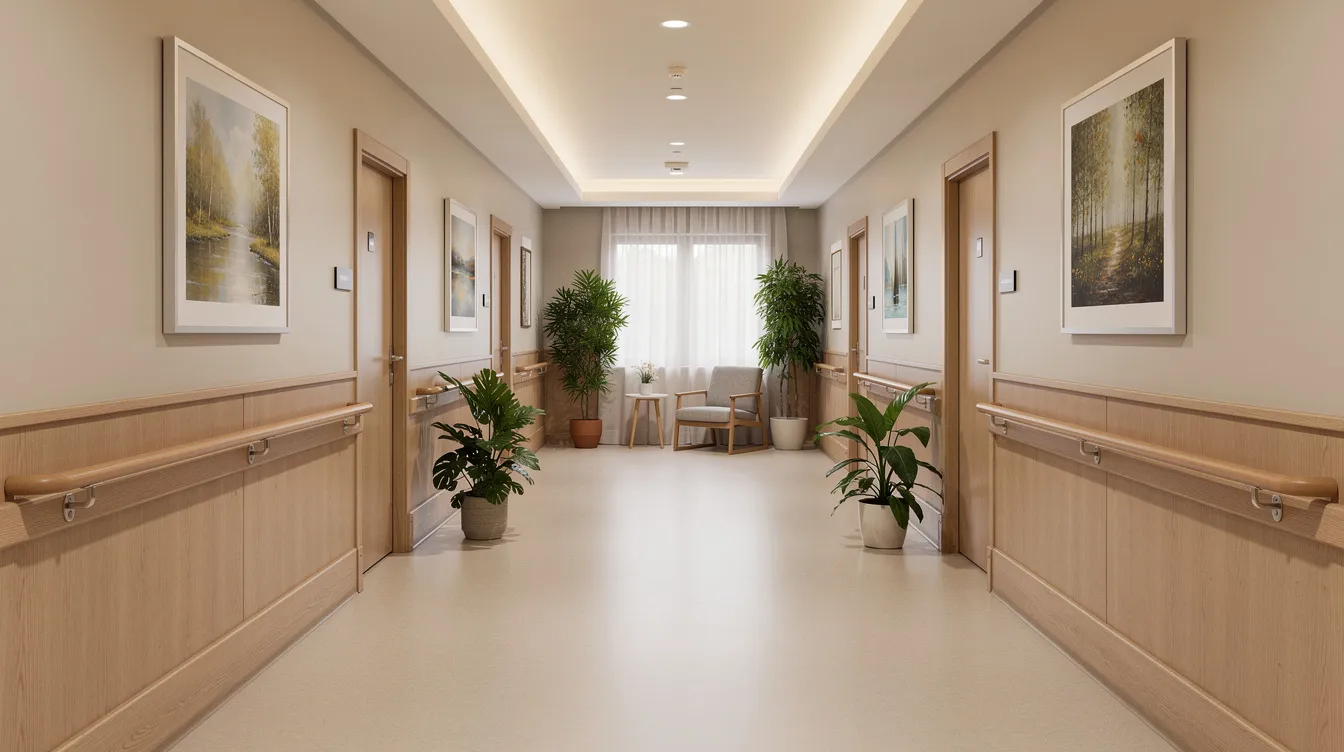
The facility itself features a therapy gym, therapy pool, and comfortable common areas where families are always welcome. If you're weighing rehab options in Manchester Township or anywhere in Ocean County, call AristaCare at Manchester to talk through your situation, verify insurance coverage, and schedule a tour.
Service Area: Post-Hospital Rehab Near Manchester Township, NJ
AristaCare at Manchester serves patients discharged from hospitals throughout Ocean County and neighboring areas. Primary communities include Manchester Township, Whiting, Toms River, Lakewood, Jackson, Berkeley Township, and nearby Shore and central New Jersey towns.
Transportation from the hospital can be coordinated as part of discharge planning, with the admissions team working directly with hospital case managers and social workers. And for adult children living out of the area, the facility offers virtual tours, care conferences by phone or video, and regular updates on their loved one's progress, so distance doesn't mean being out of the loop.
Frequently Asked Questions About Inpatient Rehabilitation
Is inpatient rehabilitation the same as a nursing home?
No. Inpatient rehab is a short-term, goal-focused stay aimed at recovering after a hospital stay, while "nursing home" often refers to long-term custodial care for people who cannot safely live at home. Many skilled nursing facilities, including AristaCare at Manchester, provide both: a sub-acute rehab unit for short-term stays and separate long-term care and memory care areas. When touring, ask whether the bed is on a short-term rehab unit and what the goals of the stay will be.
Does Medicare pay for inpatient rehab in a skilled nursing facility?
Traditional Medicare may cover up to 100 days of skilled nursing facility care per benefit period after a qualifying three-day hospital stay, as long as care remains medically necessary and skilled. Coverage includes room, meals, nursing, and therapy. Exact costs vary by plan and year, so confirm benefits with Medicare, your Medicare Advantage plan, or the AristaCare at Manchester admissions office before admission.
Can my family be involved in my inpatient rehabilitation plan?
Yes, and it's encouraged. Families typically join care plan meetings, sit in on therapy sessions to observe and practice techniques like safe transfers, and participate in discharge planning. At AristaCare at Manchester, staff schedule meetings at times that work for families and provide written instructions, demonstrations, and ongoing updates for long-distance relatives.
My loved one has dementia. Can they still benefit from inpatient rehab?
Often, yes. Patients with mild to moderate dementia can benefit from structured rehab when therapy is adapted to their cognitive needs, with goals focused on safety, simple routines, and independence in basic daily tasks. And for residents who need memory care after the rehab stay ends, the Nostalgia Park program at AristaCare at Manchester provides a secure, engaging environment designed specifically for people living with dementia.
How do we start the admission process?
Tell your hospital case manager that AristaCare at Manchester is your preferred facility and have them send clinical information. Then call the admissions team to review insurance and bed availability, and schedule a tour or request a virtual tour if you haven't visited yet. Start early, ideally a few days before expected discharge, to allow time for authorization, planning, and transportation.
Next Steps: Talk With AristaCare at Manchester About Inpatient Rehab
Inpatient rehabilitation can be the crucial bridge between hospital and home, especially for older adults recovering from serious illness or surgery. If you're facing that decision now, in or around Manchester Township, NJ, the AristaCare at Manchester admissions team is ready to walk through your situation with you.
Call, fill out the
contact form, or schedule a visit to talk through services, specialty programs, availability, and insurance. We work closely with your hospital, your physicians, and your family to build a safe, realistic plan, so your loved one can regain as much independence and quality of life as possible, whether that means returning home or moving to the right level of ongoing support.