Dementia Caring: A Practical Guide for Family Caregivers in Manchester, NJ
Caring for someone with dementia requires patience and adaptability. The disease changes over months and years, and the strategies that work in the early stages will not work in the late stage. This guide is written for family caregivers in Manchester Township and the wider Ocean County area who need concrete, local answers to daily caregiving questions.
Key Takeaways
- Dementia progresses through stages affecting daily functioning; care strategies must change as the disease progresses, from reminders and supervision to full hands-on support and 24/7 skilled nursing.
- Family caregivers face real risks to their own health: up to 50% of primary caregivers experience significant psychological distress, and protecting your well being is part of effective caregiving.
- Balancing safety concerns, communication challenges, and behavior changes with the person's dignity and remaining abilities is the central tension of dementia caring.
- Specialized memory care programs, such as AristaCare at Manchester's Nostalgia Park, provide structured environments, trained staff, and clinical resources that many families cannot replicate at home.
- Local resources in Manchester, NJ and Ocean County, including support groups, respite care, and community agencies, exist to support caregivers at every stage.
Understanding Dementia, Alzheimer's Disease, and Related Dementias
Dementia is an umbrella term for cognitive decline severe enough to interfere with daily life. Alzheimer's disease is the leading cause of dementia, but AristaCare at Manchester also regularly cares for residents with vascular dementia (caused by reduced blood flow to the brain), Lewy body dementia (marked by visual hallucinations and movement problems), and frontotemporal dementia (which often changes personality and behavior before memory loss becomes obvious).
Across New Jersey, about 185,300 people aged 65 and older live with Alzheimer's disease, roughly 12.3% of the 65-plus population. In Ocean County alone, prevalence sits at about 11.5%, which translates to approximately 16,200 individuals.
Hallmark symptoms include:
- Memory loss, especially of recent events
- Confusion about time, place, or familiar people
- Impaired judgment and decision making
- Language problems; people with dementia often struggle to find the right words
- Personality or mood shifts (apathy, irritability, anxiety)
Dementia can impact communication, mobility, and physical health well beyond memory alone. These symptoms affect daily routines, safety, and relationships with every close family member involved.
In New Jersey, diagnoses are typically made by primary care physicians, neurologists, or geriatricians through cognitive testing, lab work, and brain imaging. After a diagnosis, families should ask for a written care plan. Creating a dementia care plan with medical information and preferences aids in effective caregiving and guides future decisions about home care, legal planning, and facility placement.
The Dementia Journey: Early, Middle, and Late Stage Changes
Dementia symptoms gradually become more noticeable over time, and the disease typically unfolds over years or decades. Manchester-area hospitals and rehab units commonly describe three broad stages. Understanding where your loved one falls helps you plan ahead.
Early stage. Early stage dementia may include minor memory lapses: forgetting a recent conversation, misplacing keys, or getting briefly turned around at a local store or church. Word-finding pauses appear. The person is still largely independent but may need reminders for medications, appointments, or managing finances. Driving ability may start to decline. Many families first notice something is "off" during this period but hesitate to act.
Middle stage. This is often the longest phase. Confusion increases; the person repeats questions, loses track of dates, and may experience sleep disruptions or sundowning. Middle stage dementia often requires hands-on assistance for daily routines: bathing, dressing, toileting, and managing medications. Wandering risk rises. Many caregivers describe this stage as the most physically and emotionally demanding because the person still looks "fine" to outsiders but needs constant supervision.
Late stage. Late stage dementia affects nearly all aspects of daily functioning. Speech may be limited to a few words or none. Swallowing becomes difficult. Incontinence is common. Most individuals in late stage dementia require continuous support and 24/7 skilled nursing. Fall risk, pressure injuries, and aspiration pneumonia become real dangers.
AristaCare at Manchester accepts residents across all stages. The sub-acute care and rehabilitation unit supports those leaving hospital stays who may be in early or middle stages with additional medical needs, while the long-term care and memory care units provide the around-the-clock oversight that late stage dementia demands.
The Emotional Reality for Family Caregivers
A dementia diagnosis hits families hard. Shock comes first, followed by a slow grief as the person you know seems to recede. Caregivers may experience feelings of frustration, anger, and sadness, sometimes all in the same afternoon. In many Manchester, NJ families, adult children juggle careers and their own children while taking care of a parent with dementia.
The toll is measurable. Caregivers often suffer clinical depression and anxiety at higher rates than the general population. In New Jersey, about 12.8% of dementia caregivers report depression, and roughly 27.9% report chronic health conditions of their own. Caregiver stress can lead to poor physical and mental health. NJ family caregivers provide an estimated 512 million hours of unpaid care annually, valued at about $13.6 billion.
Common role changes that add pressure:
- A spouse becoming a round-the-clock caregiver, losing their own sense of identity
- An adult child taking over finances, medical appointments, and household decisions
- Siblings disagreeing about what is "best" for the loved one with dementia
Support groups help caregivers share experiences and gain emotional support. Talking with social workers at a skilled nursing facility like AristaCare at Manchester can also help families cope and make clearer decisions. Seeking help is not weakness; it is a practical response to a situation that strains even the most capable family member.

Communication and Body Language: Staying Connected With Someone With Dementia
Dementia affects how a person processes language, recognizes social cues, and expresses thoughts. Communication difficulties can also arise from pain or sensory impairments like hearing loss. As the disease progresses, body language becomes the primary channel for connection.
Practical approaches:
- Speak slowly and use short sentences. Ask one question at a time. Simple, clear questions facilitate communication with individuals who have dementia.
- Allow extra time for responses and processing information. Rushing creates frustration for both you and the person.
- Maintain eye contact and use warm facial expressions. A calm voice and gentle touch (when welcomed) reassure more than words.
- Focus on feelings rather than facts. If a loved one believes it is 1975, arguing about the date helps no one. Person-centered communication focuses on feelings and abilities rather than losses.
- Redirect rather than correct. If the conversation causes distress, shift to a pleasant topic or activity.
- Use visual cues to aid navigation: large-print calendars, labeled drawers, photos on bedroom doors.
Validation techniques affirm a patient's attempts to communicate, even when the words do not make logical sense. Reminiscence therapy encourages sharing long-term memories, which often remain accessible much longer than recent ones. Simulated presence, such as playing a recorded message from a family member, can provide comfort to dementia patients when visitors are not available.
Staff in AristaCare at Manchester's Nostalgia Park memory care program are supported by advanced clinical capabilities and specialized treatments and are trained in these dementia-sensitive communication approaches. Families who learn and mirror these techniques during visits often find conversations less stressful for everyone involved.
Managing Behavior Changes and Safety Concerns
Agitation, wandering, pacing, resistance to bathing, and repetitive questions are common in dementia. These behaviors are expressions of unmet needs, not deliberate defiance. Understanding triggers for challenging behaviors, such as noise, pain, hunger, or overstimulation, can help manage difficult moments. Calm, non-judgmental responses can diffuse agitation and promote comfort.
Safety concerns at home include:
- Leaving the stove or oven on
- Driving on Manchester-area roads when disoriented
- Falls on stairs or slippery floors
- Medication mix-ups when managing medications without supervision
- Wandering away from home, especially at night
Strategies that reduce risk:
- Consistency in daily schedules helps reduce confusion and distress. Establishing a predictable routine helps reduce anxiety and confusion for individuals with memory loss.
- Remove tripping hazards (loose rugs, clutter). Good lighting is essential to minimize confusion and prevent falls in individuals with dementia.
- Lock up or disable dangerous items (knives, cleaning products, car keys).
- Install door alarms or motion sensors; consider GPS devices for wandering risk.
- A safe environment minimizes risks associated with falls and confusion for individuals with dementia.
Track behavior patterns: note the time of day agitation occurs, what happened before it started, and environmental factors like lighting or temperature. Share these patterns with clinicians or AristaCare at Manchester's nursing staff to adjust care plans.
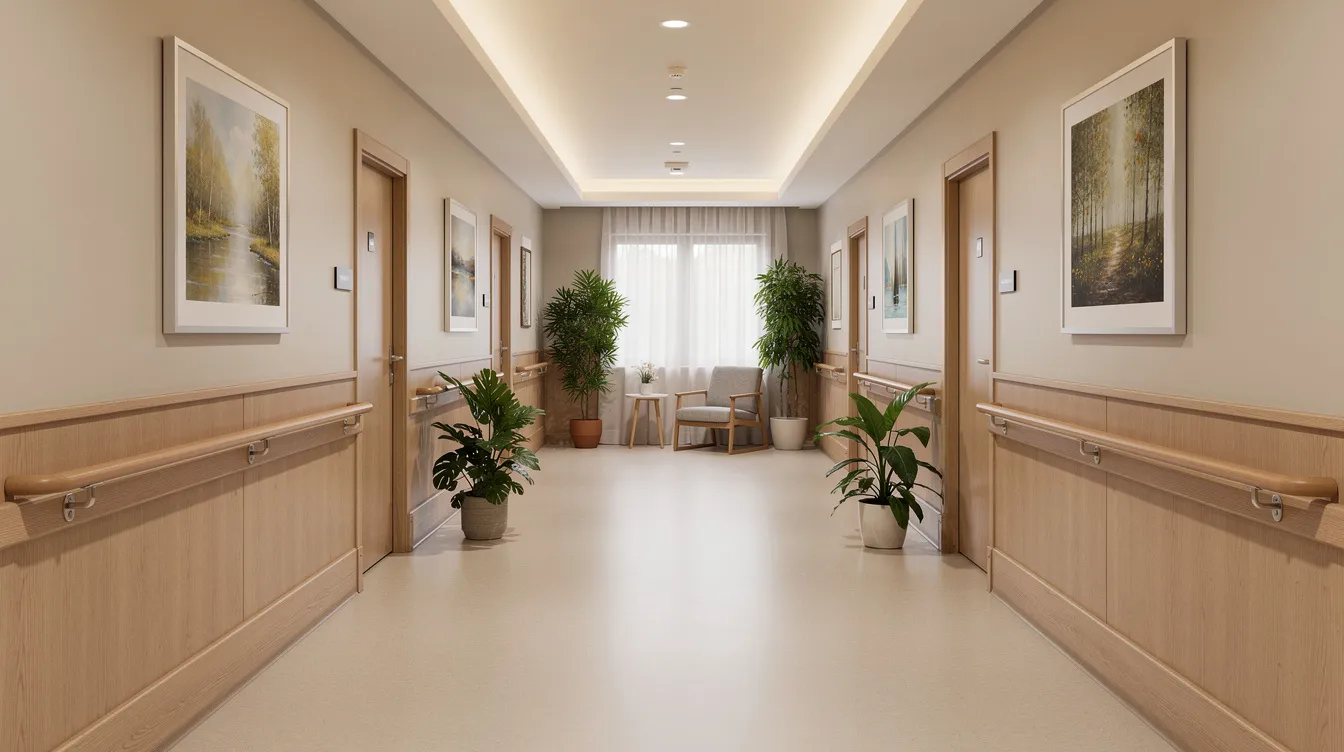
Nostalgia Park is designed with secure, dementia-friendly layouts, controlled-access doors, and activity spaces that reduce wandering risk while still supporting safe movement and independence.
Supporting Identity, Independence, and Daily Life
Someone with dementia is more than the disease. Their past work, hobbies, faith, and ties to the Manchester and Ocean County community still matter. A retired teacher, a veteran, a lifelong fisherman; these identities do not vanish with a diagnosis.
Ways to honor identity:
- Use preferred names and titles
- Display family photos from weddings, military service, or local beach trips
- Incorporate favorite music, foods, and religious practices into daily routines
- Activities should be adapted to align with a person's interests and capabilities
Preserving independence:
- Break daily tasks into smaller steps and offer verbal and visual prompts
- Supporting independence involves allowing individuals to do as much as they can manage safely
- Encouraging manageable independence boosts self-esteem in people with dementia
- Maintaining independence for dementia patients enhances their dignity
- Let the person fold laundry, water plants, or set the table while you supervise cooking and medication
Engaging individuals with dementia in meaningful activities supports their emotional well-being. Group activities, music sessions, and simple crafts provide stimulation without frustration when matched to the person's ability level.
AristaCare at Manchester's therapy team, including physical, occupational, and speech therapists, plus the on-site therapy pool and advanced real-time monitoring and telemedicine technology, work to maintain mobility and functional skills so residents can continue doing as much for themselves as possible across daily activities.

Decision Making, Legal Planning, and Family Conversations
Dementia gradually erodes a person's ability to make complex decisions. Early planning, while the person can still clearly express wishes, is critical.
Key steps for New Jersey families:
- Establish power of attorney for finances and a healthcare proxy/advance directive
- Document preferences about future living arrangements, medical interventions, and end-of-life care
- Update wills and beneficiary designations
Hold structured family meetings, in person or virtual, to divide caregiving tasks and clarify who handles day-to-day decisions. Include siblings who live outside Ocean County; disagreements grow when people feel uninformed.
Involve professionals: elder law attorneys, social workers, and case managers. Facilities like AristaCare at Manchester, part of AristaCare's long-standing commitment to senior care excellence, help families understand Medicare, Medicaid, and private insurance options through their admissions and financial counseling staff.
Include the loved one with dementia in conversations for as long as possible. Respect their values and previously stated wishes even after capacity diminishes.
When Home Care Is Not Enough: Considering Skilled Nursing and Memory Care
Needing more help is not a failure. It reflects the reality that the disease progresses and medical complexity increases. Home care allows dementia patients to stay in familiar settings longer, but there are limits.
Red flags that home care may no longer be safe:
- Frequent falls or unexplained injuries
- Weight loss or signs of malnutrition
- Pressure injuries developing on skin
- Nighttime wandering that puts both you and the person at risk
- Aggressive behaviors that family cannot safely manage
- Caregiver burnout with declining physical health and mental health
- Repeated emergency room visits
The differences between care levels matter. Home care provides part-time aide visits. Assisted living offers a room with services but limited medical oversight. Memory care provides a secure environment with staff trained in dementia care. Skilled nursing facilities provide 24/7 nursing, complex medical management, and rehabilitation.
AristaCare at Manchester is a Medicare/Medicaid certified skilled nursing facility with a dedicated memory care program, on-site post-acute rehabilitation, wound care, pulmonary therapy, specialized ventilator and respiratory care services, and an AHA-certified cardiac program. These capabilities matter for residents who have multiple chronic conditions alongside dementia.
Families should tour facilities in Manchester Township: observe how staff talk to residents, ask about dementia training, activity programming, staffing ratios, and how transitions from hospital to sub-acute rehab to long-term care are handled.
How AristaCare at Manchester Supports Dementia Caregivers and Loved Ones
AristaCare at Manchester, located at 1770 Tobias Avenue in Manchester Township, serves as a local partner for families facing Alzheimer's disease and related dementias, from post-hospital rehab through long-term and memory care.
- Nostalgia Park memory care: A secure environment with intellectually stimulating activities, reminiscence-based engagement, and staff trained in dementia-sensitive communication and body language techniques.
- Clinical programs: Wound care, pulmonary therapy, cardiac telemetry, and a therapy pool address the complex medical needs common in older adults with dementia, reducing repeated hospitalizations, and families can preview these settings through the AristaCare at Manchester photo gallery.
- Caregiver-focused supports: Education on dementia stages, behavior management guidance, care plan meetings with nursing and therapy staff, and help planning safe transitions from home or hospital to the facility, all shaped by AristaCare at Manchester's Quality Experience program.
- Resident amenities: Comfortable private and semi-private rooms in the new sub-acute unit, communal dining, activity spaces, religious services, and opportunities for family involvement in events and care conferences.
Respite care offers temporary relief for family caregivers. AristaCare at Manchester provides short-term skilled nursing stays that give families time to rest and regroup while their loved one receives professional caregiver attention.
Caring for Yourself While Caring for a Loved One With Dementia
Caregiver self-care is crucial to prevent burnout and ensure effective caregiving. Caregivers who rest, eat well, see their own doctors, and maintain social support are better equipped to help their loved one long term.
Concrete strategies:
- Schedule regular breaks. Even 30 minutes matters. Respite care can provide temporary relief for caregivers through adult day programs or short-term facility stays.
- Accept help from friends and relatives. Delegate specific tasks rather than asking for vague "help."
- Join support groups in the greater Manchester and Ocean County area. Support groups help caregivers share feelings and gain support from other caregivers who understand. Contact your local Alzheimer's Association chapter or Interfaith Health & Support Services for respite and counseling options. Dementia cafés provide social support and activities for patients and caregivers in relaxed, judgment-free settings.
- Watch for signs of burnout: constant fatigue, irritability, hopelessness, withdrawal from friends. Talk with your primary care provider or a therapist early.
- Access community resources through the NJ Caregiver Hub, which lists state programs like the Jersey Assistance for Community Caregiving (JACC) and the Statewide Respite Care Program.
Your own health is not a side concern. It is the foundation that makes caregiving possible. AristaCare at Manchester's social services team can connect you with local education, counseling, and caregiving skills training.

Frequently Asked Questions About Dementia Caring in Manchester, NJ
How do I know if it's time to move my loved one from home care to a facility?
Consider placement when safety concerns become constant: repeated falls, wandering, frequent medication errors, or sleep patterns so disrupted that no one in the household rests. If your own physical health or mental health is declining, that is also a clear signal. When medical needs like wounds, breathing problems, or complex heart conditions exceed what can be managed at home, skilled nursing is appropriate. Speak with the loved one's physician, a hospital discharge planner, and the admissions team at AristaCare at Manchester to evaluate whether sub-acute rehab, long-term care, or memory care is the best next step.
Can AristaCare at Manchester help after a hospital stay if my loved one also has dementia?
Yes. AristaCare at Manchester specializes in post-acute rehabilitation for dementia patients recovering from pneumonia, heart failure, fractures, or surgery. The new sub-acute unit with private and semi-private rooms, therapy gym, and therapy pool allows the team to address both physical recovery and dementia-related needs before determining whether the person can safely return home or needs long-term or memory care.
What support is available for family caregivers in the Manchester, NJ area?
Local supports include the Ocean County Office of Senior Services, Manchester Township Senior Outreach at 1 Colonial Drive, Alzheimer's Association support groups, faith-based respite programs, and educational resources from skilled nursing facilities like AristaCare at Manchester. Your local library may also carry dementia caregiving guides and host community events. Ask AristaCare at Manchester's social services department for current referrals to counseling and community agencies in Ocean County.
Does Medicare or Medicaid help pay for dementia care at AristaCare at Manchester?
Medicare can cover eligible post-acute skilled nursing and rehabilitation stays after a qualifying hospital admission. Medicaid and other payers may help with long-term care for those who meet financial and clinical criteria under New Jersey programs. Contact AristaCare at Manchester's financial counseling team for personalized guidance on coverage, eligibility, and application steps. The GUIDE Model, a federal initiative, also provides structured support for dementia care and may expand coverage options for eligible families.
Can someone with late stage dementia still benefit from skilled nursing or memory care?
Late stage dementia patients benefit from 24/7 skilled nursing oversight, expert symptom management for pain, shortness of breath, and agitation, nutrition support, and careful skin and mobility care. Memory care and long-term care at AristaCare at Manchester focus on comfort, dignity, and meaningful connection for the resident while providing guidance and emotional support for family during this difficult stage of life.
Your Next Step: Compassionate Dementia Care at AristaCare at Manchester
If you are caring for a loved one with Alzheimer's disease or related dementias in Manchester Township or anywhere in Ocean County, you do not have to figure this out alone. AristaCare at Manchester offers memory care, post-acute rehabilitation, long-term skilled nursing, and the clinical programs that dementia patients with complex medical needs require.
Schedule a tour of the Nostalgia Park memory care program and the new sub-acute unit. Ask questions about care plans, staffing, and how the team supports both residents and their families.
AristaCare at Manchester 1770 Tobias Avenue, Manchester Township, NJ 08759 Phone: (732) 657-1800 Contact us online
Every family's situation is different, and every stage of the dementia journey brings new questions. AristaCare at Manchester is here to help you find answers.