What Happens During Inpatient Rehabilitation? A Complete Patient Guide
Key Takeaways
- Inpatient rehabilitation at a skilled nursing facility is a short-term, post-hospital option for people who need ongoing nursing care and therapy before returning home or moving to another level of care. Length of stay varies according to medical needs, progress, and coverage.
- Therapy plans are individualized. Physical, occupational, and speech therapy may be included when appropriate; the amount and schedule depend on the patient's condition, stamina, goals, and the facility's care model.
- AristaCare at Manchester in Manchester Township, NJ, provides post-hospital rehabilitation, long-term care, memory care, and specialty clinical programs, including cardiac, pulmonary, and wound care.
- Families can support recovery by taking part in care discussions, learning safe caregiving techniques, and working with the team on discharge planning.
- This guide explains what patients and families may encounter from admission through discharge, while noting that details vary by person and facility.
Introduction: What Is Inpatient Rehab Like Day to Day?
After surgery, a stroke, or a serious illness, patients and families may be unsure what comes next. They may wonder how therapy will fit into the day, whether pain or other health needs will be managed, and when a return home might be safe. These are understandable concerns, and the experience can feel less uncertain when families know what to expect.
Inpatient rehabilitation is a period of recovery in a facility where patients stay overnight and receive coordinated therapy and medical or nursing support. At a skilled nursing facility, care is planned around each person's health, abilities, and recovery goals. A stay may follow a hip fracture, joint replacement, stroke, heart or lung illness, or another hospital admission that has affected strength or daily functioning.
This guide outlines admission, a typical day, available therapies, progress reviews, family involvement, and discharge planning. It also explains how AristaCare at Manchester, a post-acute skilled nursing facility in Manchester Township, NJ, supports patients and families through recovery.
What Is Inpatient Rehabilitation?
Inpatient rehabilitation means staying in a care setting while receiving treatment and support for recovery. It may be provided in a hospital-based rehabilitation unit or a skilled nursing facility, depending on the person's condition, clinical needs, and recommendations from the hospital team. A skilled nursing facility can be an appropriate setting for people who need nursing care alongside rehabilitation but do not require the services of an acute-care hospital.
Recovery goals may include:
- Building strength and endurance after hospitalization
- Improving mobility, balance, and transfers
- Practicing daily activities such as dressing, bathing, and toileting
- Managing medical needs, which may include wound care, medication management, or monitoring
- Preparing for a safe return home or transition to another level of care
People may be referred after a stroke, fracture, joint replacement, major surgery, serious fall, or illness that has made everyday tasks difficult. The right setting is determined individually; not everyone needs inpatient care, and a clinician can help compare options.
Inpatient rehabilitation vs. outpatient therapy and long-term care
The key difference between inpatient and outpatient rehabilitation is where the patient stays. Inpatient patients reside at the facility during recovery, while outpatient patients live at home and travel to scheduled therapy visits. Outpatient therapy may suit people who can safely manage at home between appointments. Long-term skilled nursing care, by contrast, is ongoing support for people whose health or daily care needs make independent living unsafe.
| Feature | Inpatient rehabilitation in a skilled nursing facility | Outpatient rehabilitation | Long-term skilled nursing care |
|---|---|---|---|
| Where the patient stays | At the facility during the stay | At home | At the facility on an ongoing basis |
| Main focus | Recovery after illness, injury, or surgery | Therapy while living at home | Ongoing nursing and daily support |
| Schedule | Based on the care plan and the patient's tolerance | Scheduled visits | Based on ongoing care needs |
| Duration | Individualized | Varies | Ongoing, as needed |
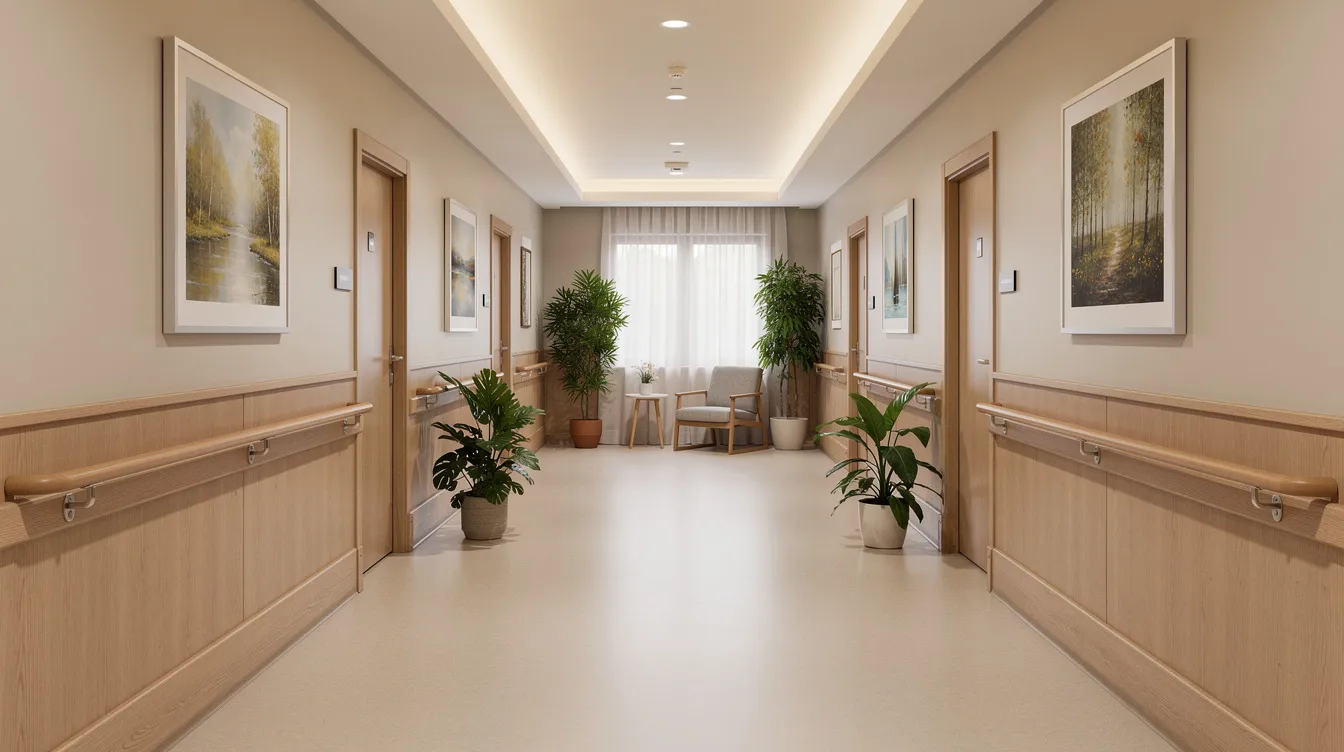
AristaCare at Manchester offers post-hospital rehabilitation as well as long-term care and memory care. Its sub-acute unit has private and semi-private room options. The specialty programs support residents with a range of clinical needs.
What Happens When You First Arrive at Inpatient Rehab?
Admission is a chance for the team to understand the patient's health, immediate needs, and goals. The sequence and timing of assessments can vary, but care generally begins with a review of the hospital information and an introduction to the facility and care team.
Arrival and orientation: Staff help patients settle into their room and explain how to call for assistance and use relevant room features. Hospital and facility teams may coordinate transportation and share records before arrival. Patients and families can ask questions about daily routines and facility policies.
Nursing and medical review: The team reviews current medications and health history, checks vital signs, assesses pain and safety concerns, and identifies any needs requiring follow-up. A physician or other qualified clinician reviews the patient's condition and helps guide care. Medication decisions and monitoring are based on the individual's clinical plan.
Therapy assessments: Depending on the referral and the patient's needs, a physical therapist may assess movement, strength, balance, and transfers. An occupational therapist may review daily living activities and adaptive equipment needs. A speech-language pathologist may assess communication, cognition, or swallowing when indicated.
Individualized goals: The interdisciplinary team, which may include nursing, medical, therapy, social work, and dietary professionals, develops or updates the care plan. Goals should reflect the patient's abilities and stamina—for example, transferring with less assistance or managing a personal-care task more safely. The plan can change as the patient's condition and progress change.
Families are encouraged to share information about the patient's routines, home environment, and priorities. They can also ask how to participate in care discussions at AristaCare at Manchester.
What Does a Typical Day in Inpatient Rehabilitation Look Like?
A day is usually organized around personal care, meals, therapy, clinical support, and rest. The schedule is not the same for every patient: treatment sessions may change according to medical appointments, energy, symptoms, and progress. Staff can explain an individual schedule and any adjustments.
Morning: Patients may receive help with personal hygiene and dressing, followed by breakfast and any scheduled medications or nursing care. Vital signs may be checked as part of the care plan. Wearing comfortable everyday clothes, when appropriate, can help patients feel more at home and take part in activities.
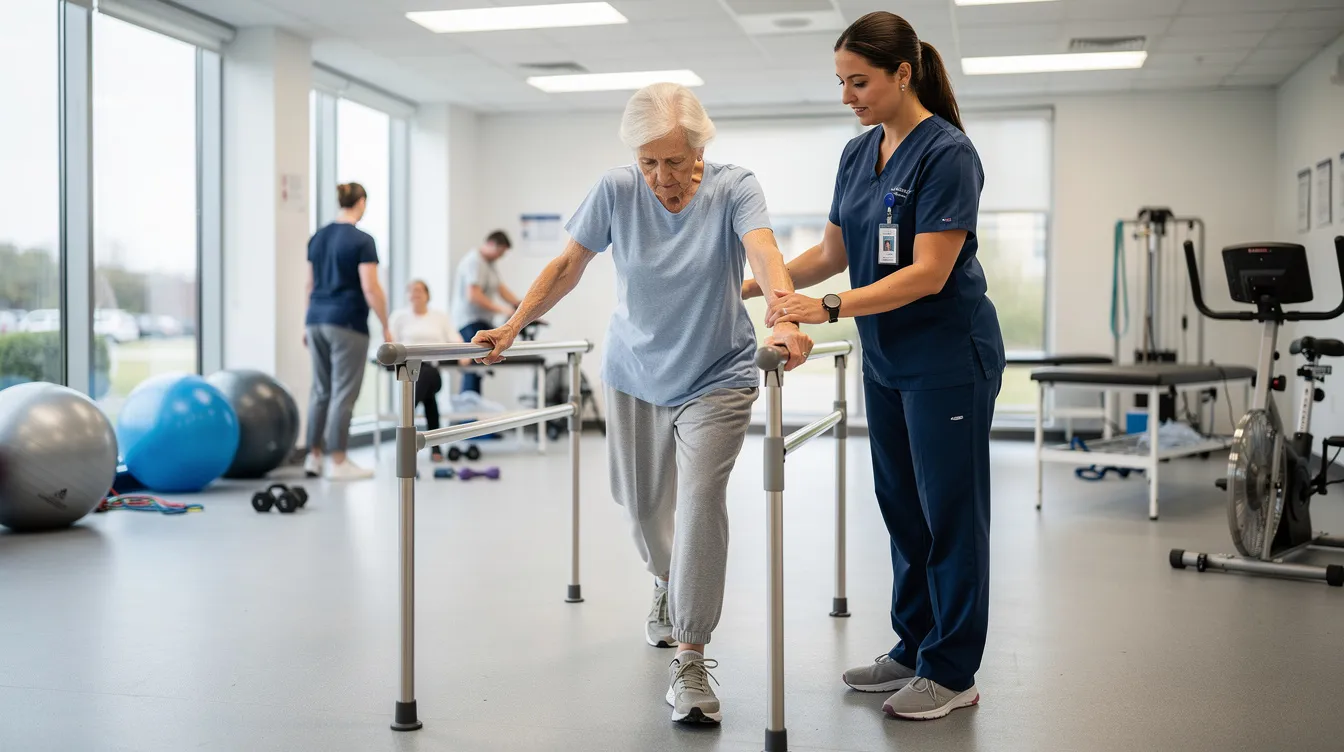
Therapy periods: Therapy may take place in the room, a therapy gym, or another suitable area. Depending on the care plan, sessions may address walking, transfers, dressing, safe use of equipment, communication, or swallowing. The number, duration, and frequency of sessions are not universal; clinicians tailor the schedule to the patient's needs and ability to participate.
Meals and rest: Lunch and other meals provide time to eat and recover between activities. Rest periods matter, especially for people who tire easily or are managing pain or other symptoms. Staff may coordinate therapy and care around a patient's energy and clinical needs.
Afternoon and evening: Patients may have additional therapy or nursing care later in the day, followed by downtime, meals, and opportunities to connect with family. Recreational activities may be available depending on the facility and the patient's needs. Evenings generally allow time to relax and prepare for sleep.
Clinical support continues outside scheduled therapy. Staff may assist with medication administration, symptom monitoring, personal care, and communication with the medical team. At AristaCare at Manchester, the team coordinates care with the patient's goals and changing needs.
What Types of Therapy Are Available?
Therapy options depend on the patient's condition and assessment. Therapists work with patients to rebuild physical, cognitive, and communication skills affected by illness, injury, surgery, or hospitalization. Sessions are individualized and may vary from day to day.

Physical therapy focuses on strength, mobility, balance, and coordination. A therapist may help a patient practice standing, walking with an assistive device, transferring safely, or navigating steps. Exercises are selected and adjusted to the person's safety and recovery goals.
Occupational therapy supports independence in everyday activities. Patients may practice dressing, grooming, bathing, toileting, or other tasks, and learn to use adaptive equipment where appropriate. The goal is to make daily routines safer and more manageable.
Speech therapy may help with communication, cognition, or swallowing difficulties, including those related to stroke or other medical events. A speech-language pathologist assesses the issue and recommends appropriate strategies or treatment.
Aquatic therapy uses water to support movement and exercise in a lower-impact environment. When clinically appropriate, a therapy pool may let patients work on movement while buoyancy reduces some pressure on joints. AristaCare at Manchester has a therapy pool; availability and suitability depend on clinical assessment.
Rehabilitation may also involve emotional support and education about adjusting to changes in health or function. AristaCare at Manchester's clinical capabilities include an AHA-certified cardiac program, pulmonary care, and complex wound care. The care team can explain which services are relevant to an individual patient.
How Is Progress Measured During Inpatient Rehabilitation?
Progress is assessed in relation to the goals established for each patient. The team observes how the person functions in therapy and daily routines, discusses changes in health, and adjusts care as needed. Improvement may be gradual, and progress does not look identical for every patient.
Mobility and safety: Therapists may document walking ability, transfer assistance, balance, endurance, or the safe use of stairs and mobility aids. These observations help show whether a patient can manage necessary movements with less help.
Daily living activities: The team may review how much support is needed for dressing, bathing, toileting, grooming, eating, and moving around. Practicing these tasks in a supportive setting helps patients work toward greater independence.
Care-plan reviews: Members of the interdisciplinary team share relevant updates and discuss whether goals or interventions need to change. Families can ask how progress is being communicated and what the next steps may be.
Discharge readiness: Discharge planning considers the patient's medical stability, functional ability, home environment, available support, and ongoing care needs. A particular milestone alone does not determine readiness; the team and patient or family discuss the safest feasible transition.
How Can Families Support the Rehabilitation Process?
Family involvement can help patients feel encouraged and can prepare caregivers for the next stage of recovery. The patient's preferences and consent guide how loved ones participate.
- Attend care-plan discussions and ask about current goals and changes.
- Share useful information about routines, home layout, and the support available after discharge.
- With permission, observe therapy or learn safe mobility and transfer techniques from staff.
- Bring familiar personal items, if facility policies allow, to help the patient feel more comfortable.
- Work with the care team on follow-up services, equipment, and home-safety needs.
Recovery can involve both encouraging days and difficult ones. Families can offer reassurance, listen to concerns, and let staff know when they notice changes. AristaCare at Manchester can explain its visiting policies and how family members may join care discussions.
What Happens When Inpatient Rehabilitation Is Complete?
As discharge approaches, the care team reviews the patient's progress and ongoing needs. Planning may include medication instructions, follow-up appointments, equipment, safety recommendations, and referrals for continued therapy or home services. Families should ask questions early so there is time to understand the plan and prepare.
Possible next steps include:
- Returning home, with outpatient therapy or home health support if recommended
- Moving to another care setting if the patient still needs more support
- Continuing with long-term skilled nursing care when ongoing needs make it appropriate
AristaCare at Manchester helps coordinate transition-to-home planning and can discuss equipment and follow-up needs with patients and families. For people who need continuing support, the facility also offers long-term care and the Nostalgia Park memory care program.
Costs, Coverage, and Medicare Considerations
Coverage depends on eligibility, the type of care, medical necessity, the patient's benefit, and the terms of the specific Medicare, Medicare Advantage, Medicaid, or private insurance plan. Medicare coverage for skilled nursing facility care has eligibility requirements and limits; it should not be assumed that every inpatient rehabilitation stay is covered for a set number of days. Ask the insurer or Medicare and the facility admissions team to confirm current rules, authorization requirements, cost-sharing, and the patient's specific benefits.
AristaCare at Manchester's admissions team can help families review benefits and discuss the information needed for admission.
Coverage decisions and clinical needs may affect the timing and length of a stay, so families should keep in contact with the care team and insurer.
Frequently Asked Questions About Inpatient Rehabilitation
How long does inpatient rehabilitation usually last?
There is no fixed length of stay for every patient. Timing depends on the reason for rehabilitation, health and functional progress, ongoing medical needs, the discharge plan, and coverage. The care team can discuss an estimated timeframe and update it as the patient's situation changes.
Is inpatient rehabilitation the same thing as a nursing home?
Not necessarily. Inpatient rehabilitation is focused on recovery and defined goals, often after a hospital stay. Long-term skilled nursing care supports people who need continuing assistance or clinical care. A skilled nursing facility may provide both short-term rehabilitation and long-term care, but the services and purpose of a patient's stay differ.
How many hours of therapy are provided?
Therapy frequency and duration vary by facility, the patient's care plan, clinical needs, and ability to participate. Do not assume that every skilled nursing rehabilitation stay requires the same daily therapy hours. Ask the facility how therapy is scheduled and how the plan will be adapted if the patient is tired or unwell.
Can family members visit during rehabilitation?
Family visits are generally subject to the facility's visiting policies, patient preferences, and any applicable health or infection-control guidance. With patient consent, families may be able to observe selected therapy sessions or participate in care discussions. Contact the facility for its current policies.
How do we start the admission process at AristaCare at Manchester?
Let the hospital case manager know that AristaCare at Manchester in Manchester Township, NJ, is a preferred option. The hospital can share relevant clinical information, and families can contact the admissions team to discuss availability, required records, coverage, and next steps. The team can also explain tour options.
Learn More About Rehabilitation Services at AristaCare at Manchester
Inpatient rehabilitation can help bridge the transition from hospital to home or another appropriate care setting. At AristaCare at Manchester, patients and families can learn about post-hospital rehabilitation, specialty clinical programs, and continuing care options through the facility's services.
To ask whether the program may fit your situation, contact the AristaCare at Manchester admissions team. The team can discuss services, current availability, and the information needed to explore a safe next step for you or your loved one.